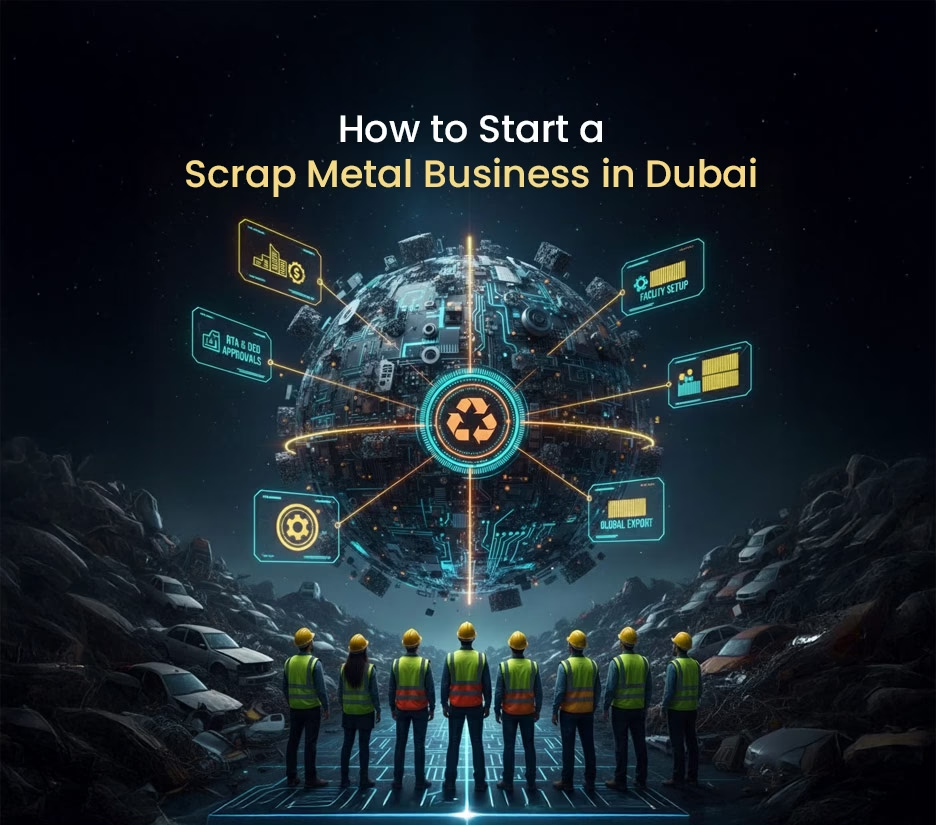
How to Start a Scrap Metal Business in Dubai
This guide offers practical, easy-to-follow information on setting up and managing a scrap metal business in Dubai.
It explains the key steps for starting operations, meeting regulatory requirements, securing necessary licenses, and running the business efficiently while maintaining long-term compliance and growth.
Scrap Metal Business in Dubai
A scrap metal business in Dubai can be simple, profitable, and scalable if you set it up the right way from day one. Dubai has strong local demand from the construction, manufacturing, marine, and maintenance sectors. It also has world-class logistics for regional and global trading.
But this industry is also compliance-heavy. Your trade licence alone is not always enough. You typically need the right activity, the right facility, and the right approvals for storage, handling, and movement of scrap and recyclable materials.
A. Understanding the Scrap Metal Industry in Dubai
Dubai’s scrap metal market is driven by three main factors:
- Continuous construction and demolition activity
- A large industrial and manufacturing base
- Dubai’s position as a regional trading and export hub
Scrap metal is not limited to steel and iron. The market also includes aluminium, copper, brass, stainless steel, cables, automotive scrap, industrial offcuts, and, in some cases, specialized or regulated materials. What makes Dubai attractive is not just demand. It is infrastructure. Logistics, ports, customs processes, and access to regional buyers make Dubai a preferred base for scrap trading and recycling businesses.
However, the same infrastructure also comes with tight oversight, especially around waste handling, safety, and traceability.
B. Choosing the Right Scrap Metal Business Model
Your business model determines almost everything that follows. Licensing, approvals, facility size, staffing, and capital requirements all depend on how you intend to operate.
1) Scrap metal trading
This is the most common entry model because it requires less equipment and fewer operational layers. The model focuses on buying scrap from suppliers and reselling it without significant physical processing. You may buy from:
- Construction sites
- Workshops
- Factories
- Demolition contractors
You then sell to:
- Local recyclers
- Metal processors
- Manufacturers
- Exporters
However, margins are often thin. Profit depends on volume, pricing accuracy, and disciplined grading. Traders who do not control weighing and contamination quickly lose profitability.
2) Scrap collection and aggregation
Collection-based businesses actively manage scrap pickup. Instead of waiting for sellers, you provide scheduled or on-demand collection services.
This model is common when dealing with:
- Construction firms
- Industrial manufacturers
- Facility management companies
- Demolition projects
It allows you to secure repeat supply and negotiate long-term contracts. Operationally, it is more complex. Vehicles must be suitable for hauling scrap. Drivers and loaders must follow safety procedures. Documentation must track material movement from the source to the yard. When managed well, this model provides stronger supply stability and better pricing control.
3) Scrap processing and recycling
Processing adds value to raw scrap. Activities may include:
- Cutting large sections into manageable sizes
- Baling loose scrap
- Sorting mixed metals
- Removing contaminants
Processed scrap is easier to transport and often commands higher prices. This model requires more space, equipment, stricter safety controls and clearer environmental procedures. It is not ideal for first-time founders unless sufficient capital and operational expertise are available. However, it offers the best long-term margins
4) Specialised scrap niches
Some businesses focus only on high-value or technical scrap streams instead of handling all types of materials. These niches can include areas such as electronic waste (computers, phones, circuit boards), batteries, catalytic converters, cables and wiring, or specific non‑ferrous metals like copper and aluminium, allowing you to build expertise and better pricing in a narrow category.
These can be lucrative but may involve additional regulatory requirements, especially for hazardous or electronic waste.
C. Market Research That Actually Matters
Many scrap businesses fail not because of licensing, but because of weak market planning.
1) Securing a reliable supply, which can come from:
- Construction and demolition contractors
- Industrial manufacturers
- MEP companies
- Facility management firms
- Shipyards and marine operators
- Automotive workshops
One-off sellers are risky. Long-term supply contracts are what stabilise cash flow.
2) Understanding your buyers
Your buyers define your quality standards. They may include:
- Local recycling plants
- Steel mills and foundries
- International buyers via export channels
Each buyer has different requirements for:
- Grading
- Contamination levels
- Packaging
- Documentation
If you do not align with buyer specifications early, margins suffer.
3) Pricing realities
Scrap prices fluctuate frequently. Pricing is affected by:
- Global commodity prices
- Material grade
- Contamination
- Moisture
- Transport distance
- Payment terms
Successful scrap businesses rely on controlled grading and accurate weighing, not guesswork.
D. Mainland vs Free Zone Setup
Choosing the right jurisdiction is critical. Dubai Mainland allows you to:
- Trade freely across Dubai and the UAE
- Deal directly with local companies
- Operate without distribution restrictions
This route is usually preferred for scrap businesses with local operations, yards, and collection activities.
For a Free Zone license, this may work if:
- Your business is mainly international trading
- You do not collect scrap locally
- The chosen free zone supports recycling or industrial activities
However, selling extensively in the mainland may require additional structuring. Key takeaway: for scrap businesses, operational approvals often matter more than jurisdiction.
You might be interested in reading about
E. Licensing and Regulatory Approvals
1) Selecting the correct business activity:
Your trade licence must accurately reflect your operations. Common activity types include:
- Metal scrap trading
- Recyclable materials trading
- Waste trading
- Recycling or processing activities
A mismatch between your licence and real activity can lead to fines or suspension.
2) Dubai Municipality considerations
For scrap and recyclable materials, they often fall under waste management oversight. Depending on your activity and materials, Dubai Municipality may require:
- Prior permits for waste or recyclable trading
- Approved operational procedures
- Compliance with storage and handling guidelines
This is why licensing and facility planning is encouraged to be done together.
3) Civil Defence and safety approvals:
A civil defence approval is often required before operations begin. If you operate a yard or warehouse, you must comply with:
- Fire safety regulations
- Emergency access rules
- Storage limits
- Safety equipment standards
F. Facility and Yard Requirements
Your facility is not just a storage space. It is part of your compliance profile.
1) Suitable locations: Scrap operations are best suited to:
- Industrial zones
- Logistics areas
- Locations with heavy vehicle access
- Residential or mixed-use areas are usually not suitable.
2) Practical layout planning: A compliant yard typically includes:
- Receiving and unloading area
- Weighing process or weighbridge access
- Sorting zones by metal type
- Quarantine area for unidentified materials
- Secure storage areas
- Loading zone for dispatch
- Office and record-keeping space
3) Safety and environmental controls
Safety is not optional in this industry; you should plan for:
- Fire extinguishers and safety systems
- Clear vehicle movement paths
- Spill control measures
- PPE rules for staff
- Safety training and logs
G. Operational Best Practices
1) Supplier onboarding and traceability
Traceability protects your business during inspections. Avoid buying scrap with an unclear origin. Best practice includes:
- Supplier identification
- Trade licence copies (for companies)
- Transaction records
- Photographs of incoming loads
- Clear invoices
2) Standardised grading system
Consistency prevents disputes and margin loss. Create internal grading rules covering:
- Metal type
- Contamination allowance
- Moisture limits
- Attachments and foreign materials
- Pricing adjustments
3) Equipment planning
Start lean, then scale. Common equipment includes:
- Forklifts
- Bins and containers
- Cutting tools
- Balers or shears (later stage)
- CCTV and access control
H. VAT, Corporate Tax, and Financial Compliance
1) VAT registration
VAT registration is mandatory once taxable turnover exceeds AED 375,000 in a 12-month period. Voluntary registration is available from AED 187,500. Scrap businesses often cross thresholds quickly due to high transaction volumes.
2) Corporate tax
The UAE corporate tax regime applies to qualifying businesses. This makes the following activities more important than ever:
- Accurate bookkeeping
- Proper expense tracking
- Compliant invoicing
3) Customs and export compliance
Certain scrap categories may face additional controls. if importing or exporting scrap:
- Goods must be correctly classified
- Documentation must match the physical cargo
- Destination country rules must be respected
I. Staffing and Visas
In scrap businesses, administration is a compliance function, not just support. Typical roles include:
- Yard supervisor
- Sorters and handlers
- Forklift operators
- Drivers
- Admin and accounts staff
J. Startup Cost Considerations
Scrap businesses are cash-intensive. Many new operators underestimate the cash needed to buy inventory before resale, with costs varying based on:
- Licence type
- Facility size
- Approvals required
- Equipment
- Vehicles
- Staffing
- Working capital
K. Marketing and Business Development
1) The focus for scrap businesses is primarily on contracts, not walk-ins.
Best growth comes from:
- Construction firms
- Industrial suppliers
- Facility management companies
- Demolition contractors
2) Sell reliability
In the scrap industry, building trust with your clients wins you more contracts. Some key differentiators are as follows:
- On-time pickup
- Transparent weighing
- Accurate documentation
- Safe operations
- Reliable payments
L. Common Mistakes to Avoid When Starting a Scrap Business in Dubai
- Choosing the wrong licence activity
- Renting a yard before approvals
- Poor grading discipline
- Weak documentation
- No buyer network
- Ignoring safety
Why Businesses Choose EZONE for Scrap Metal Setup in Dubai
Setting up a scrap metal business in Dubai is rarely a one-step process. It involves aligning licensing, regulatory approvals, facilities, safety requirements, and tax readiness in a way that supports real operations, not just registration. This is where many businesses face delays, rework, or compliance risks.
EZONE,, one of the top business consultancy firms in Dubai, works with founders and companies who want to get it right from the start. The focus is not only on obtaining a trade licence, but on structuring the business so it can operate, pass inspections, scale, and trade confidently in the long term.
Support typically includes:
- Advising on the correct licensing activities based on the actual business model
- Guiding mainland or free zone structuring decisions
- Coordinating regulatory and municipal considerations early
- Aligning facility requirements with safety and operational expectations
- Ensuring VAT and corporate structuring is handled correctly from day one
By approaching setup as a complete operational framework rather than a paperwork exercise, EZONE helps scrap metal businesses avoid costly missteps and build a foundation that supports sustainable growth.
For businesses entering a regulated and capital-intensive industry like scrap metal trading and recycling, clarity at the setup stage often determines long-term success.
FAQs about Scrap Business in Dubai
You need the correct trading and or recycling activity on your trade licence, and in many setups, you should also plan for waste management-related approvals, depending on what materials you handle and how you operate.
Export readiness depends on the material category, documentation, HS classification, and any applicable NOCs and restrictions under the waste and customs frameworks. Start by classifying goods correctly and then plan compliance per shipment.
Your business model in Dubai’s scrap metal industry determines licensing, approvals, facility size, staffing, and capital needs, with options including trading, collection, processing, or specialized niches, each requiring different setups and compliance measures.
Key regulatory approvals include selecting the correct business activity on your trade licence, obtaining necessary waste management permits, and securing civil defence safety approvals, especially for yard or warehouse operations.

EZONE specialize in creating content that highlights business setup and consultancy services. We provide expert insights on company formation, licensing, and the latest industry developments. Through this blog, we aim to equip entrepreneurs and businesses with the knowledge they need to navigate opportunities and challenges in today's market.