How to Start a Vending Machine Business in Dubai
TL;DR (Quick Summary)
- Starting a vending machine business in Dubai requires a valid trade license, and selling snacks or drinks brings Dubai Municipality food safety compliance into scope.
- Mainland setup is often the most practical route for placing machines across Dubai and contracting venues directly, while free zones may limit placement flexibility in some cases.
- Food vending must comply with the Dubai Food Code, including proper temperature control, hygiene standards, and product traceability.
- Location drives performance, and repeat daily foot traffic typically outperforms one-time crowds. Gyms, offices, staff housing, clinics, and residential lobbies often perform well.
- Your contract model impacts profitability, with fixed rent, revenue share, and hybrid agreements being the most common. Electricity and servicing access must be clearly defined.
- Machine quality matters, so prioritize cashless payments, telemetry, reliable cooling systems, and local spare parts access.
- Tax obligations may apply, including VAT registration once thresholds are met, and excise tax for products like energy drinks or vaping items.
- Common mistakes include buying machines before securing locations, underestimating food compliance, choosing high spoilage products, and operating without sales data tracking.
Vending Machine Business
Starting a vending machine business in Dubai is often described as simple. The idea of selling products through automated machines, without staff and with minimal overhead, is appealing to many first-time founders and investors.
However, vending businesses that succeed in Dubai are rarely built on simplicity alone. They are built on correct licensing, thoughtful product selection, realistic location strategy, and a clear understanding of regulatory expectations. When food and beverages are involved, which is the case for most vending concepts, compliance becomes just as important as commercial planning.
1. Understanding What a Vending Machine Business Means in Dubai
A vending machine business involves selling products or services through automated machines placed in approved locations. These machines operate without on-site staff and rely on convenience, accessibility, and repeat usage.
In Dubai, vending machines are commonly used to sell packaged snacks, bottled or canned drinks, personal care items, and basic consumer goods. More specialized concepts exist, but the majority of operational vending businesses fall into these categories.
From a regulatory perspective, vending is treated as a commercial activity. Once food or beverages are sold, the business also falls within the scope of food safety regulations. This distinction matters because it directly affects licensing requirements, approvals, machine specifications, and ongoing operational responsibilities.
Many new operators underestimate this point. They view vending machines as equipment rather than as points of sale. In Dubai, vending machines are treated as extensions of a food or trading business, not standalone devices.
2. Types of Vending Machine Businesses in Dubai
Before applying for a license, it is important to understand the different vending models that operate in Dubai and how they affect setup and compliance.
Some vending businesses focus on non-food items such as phone accessories, personal care products, or service-based machines like charging stations. These models typically face fewer regulatory hurdles but often rely heavily on location volume to remain profitable.
Snack and drink vending machines remain the most common entry point. They align well with Dubai’s lifestyle, long working hours, and preference for convenience. However, they also bring additional compliance obligations, particularly when chilled drinks or temperature-sensitive products are involved.
Specialty vending concepts exist, including flowers, fresh food, or regulated products, but these require careful evaluation and are rarely suitable for first-time operators without strong operational support.
3. Choosing the Right Business Setup Route in Dubai
A vending machine business in Dubai requires a valid trade license issued by the relevant authority. The first structural decision is whether to establish the business on the mainland or within a free zone.
A mainland license issued through Dubai Economy and Tourism (DET) allows the business to operate across Dubai and contract directly with landlords, building owners, and corporate entities. For vending businesses that rely on placing machines in offices, business centres, residential buildings, or mixed-use developments, mainland licensing is often the most straightforward option.
Free Zone setups can be suitable in specific cases, particularly where the business model is more trading-oriented or where operations are structured through third-party placement agreements. However, free zone companies may face additional limitations when contracting locations directly, depending on the free zone and the nature of the activity.
You might be interested in reading the following articles:
- 2026 Business Trends in Dubai
- How to Start A Cloud Kitchen in Dubai in 2026
- How to Start a Food Truck Business in Dubai
Steps to Start a Vending Machine Business in Dubai
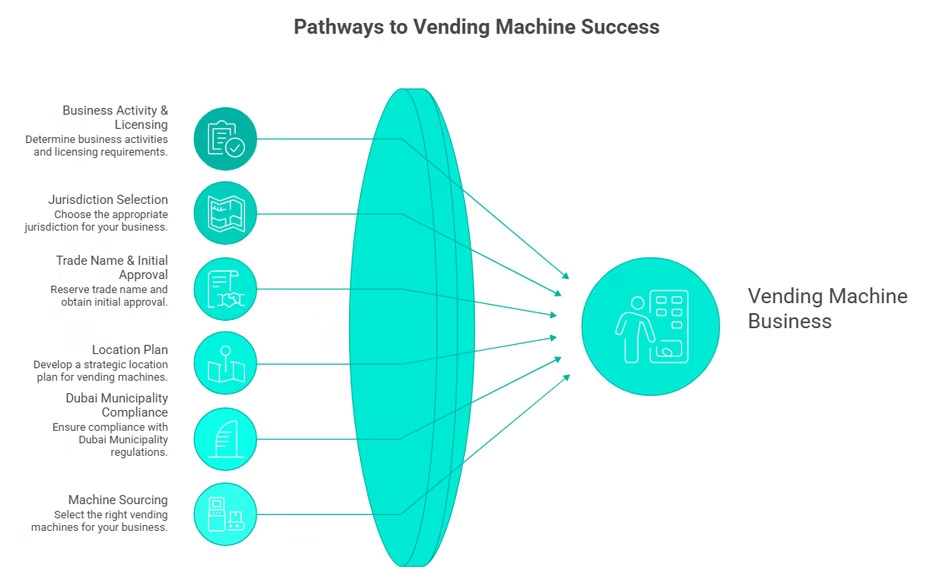
Step 1: Confirm your business activity and licensing route
Most vending operators need a commercial license for the relevant activity for automated vending. If you plan to import machines or products, you may also need trading permissions aligned to those goods.
Start by confirming the activity that best matches your model, because it impacts approvals and sometimes the documents you will be asked for later. Dubai’s DET licensing pathway is the core route for mainland licensing.
Step 2: Pick your jurisdiction
This is the decision that affects where you can operate and how you contract locations.
A Mainland license is usually the most straightforward route if you want to place machines anywhere across Dubai and contract directly with a wide range of landlords and venues. DET manages mainland licensing and permits for business activities.
A Free Zone can be attractive for certain business models, especially if your commercial activity is structured around trading, warehousing, or a narrower operational footprint. But vending machines are location-based, so your ability to place machines widely depends on how you structure operations, who signs location contracts, and what extra approvals may apply.
The best choice depends on your target locations, not just your startup budget.
Step 3: Reserve your trade name and apply for initial approval
In Dubai, “initial approval” is a common early checkpoint in the licensing flow. It is essentially the government’s confirmation that your intended business can proceed under the chosen structure and activities. Dubai’s DET process includes initial approval as part of forming a business.
Step 4: Prepare your location plan early
Even if you are starting with one machine, act like you are building five.
Create a simple location shortlist with:
- Target area and venue type
- Expected daily footfall logic
- Power and connectivity availability
- Servicing access and operating hours
- Competitor presence near the spot
- Who pays for electricity
- Revenue share expectations
In Dubai, many prime placements run on revenue share, monthly rental, or a hybrid.
Step 5: Dubai Municipality Compliance
Dubai Municipality’s Food Code includes specific requirements for vending machines, especially when vending high-risk foods, including controls that stop vending if safe temperatures cannot be maintained. Emphasis on food sources, storage, transportation and display must be under Dubai’s Food Code standards.
What this means in real life:
- Machine spec matters (temperature monitoring, lockout functions, hygiene design).
- Your supply chain matters (approved sources, correct storage, controlled transport).
- Your documentation matters (product lists, supplier details, traceability).
If you do not want the heavier compliance load in your first phase, start with non-food items or shelf-stable packaged snacks that are simpler to manage under food safety controls.
Step 6: Sourcing the right machine
Your machine is not just a box that dispenses products. In Dubai, reliability, temperature performance, payment acceptance, and service access are the difference between a passive income model and constant refunds and complaints.
At minimum, plan for:
- Cashless payments (card and wallet)
- Telemetry and remote stock monitoring
- Clear refund process and customer support contact
- Preventive maintenance schedule
- Spare parts access inside the UAE
- Restocking cadence based on real consumption
If you sell temperature-sensitive items, choose machines designed for stable internal temperature control, because that directly relates to food safety compliance expectations
Step 7: Finalize your license issuance and corporate setup
Once your licensing steps and approvals align, you proceed to license issuance, then the practical setup items, like:
- Opening your corporate bank account
- Contracting suppliers
- Logistics for restocking
- basic accounting system from day one
Permits and Approvals
1. Food and beverages:
Expect Dubai Municipality oversight via the Food Code requirements and related food safety processes. Practical examples of where operators get stuck:
- Using a supplier that is not properly approved for the supply chain requirements
- Lacking clear traceability for products
- Machines are placed in a way that makes cleaning and servicing inconsistent
- Poor temperature control evidence
2. Excise Goods:
If your vending concept includes excise goods, you must understand excise tax exposure and how it affects pricing, sourcing, and compliance responsibilities.
The UAE Federal Tax Authority lists excise goods including tobacco, electronic smoking devices and liquids, energy drinks, carbonated drinks (excluding sparkling water), and sweetened drinks.
Do not treat this as “just add margin.” Excise rules can affect who must register and how products move through the supply chain.
3. Restricted or regulated items
Some product categories can trigger additional approvals depending on the exact goods. Examples can include medical items, supplements, or products with special import requirements.
If your plan includes a niche category, treat “product legality and approvals” as a separate mini project before you buy machines.
Tax Considerations for Vending Machine Businesses
Vending businesses in Dubai are subject to VAT once registration thresholds are met. Given the volume-based nature of vending, VAT considerations often arise sooner than expected.
Certain beverage products, such as energy drinks, may fall under excise tax regulations. This affects pricing, sourcing, and compliance obligations and should be assessed before adding such products to a vending portfolio.
Best Locations for Vending Machines in Dubai
Your best locations are not always the busiest. They are the places where people are slightly trapped, slightly waiting, or slightly rushed.
Examples of venue types that often perform well:
- Gyms and fitness studios
- Staff accommodation and labour housing
- Business centers and office lobbies
- Clinics and hospitals’ waiting areas (subject to approvals and venue rules)
- Residential lobbies with high foot traffic
- Schools and universities (with strict product rules)
- Metro adjacent retail corridors and transport hubs, where allowed by venue policy
- Tourist-heavy areas, when placement contracts are realistic
The real rule is this: choose places where the same people pass daily. Repeat traffic beats one-time crowds.
Vending Models tailored for Dubai Markets
Most vending businesses in Dubai land in one of these contract models:
1. Fixed monthly rent
You pay the venue a set fee for the space. This works best if your unit economics are strong and you can forecast consistent sales.
2. Revenue share
You share a percentage of monthly sales with the venue. This is common in premium spaces because it reduces risk for the operator in the early phase and aligns incentives.
3. Hybrid
A smaller fixed fee plus revenue share. This often appears when venues have high demand for space but also want upside.
Whichever model you choose, treat your location contract like your core asset. Include clear terms on electricity, servicing access, machine branding, refund handling, and contract duration.
Key Strategies for Profitable Vending Operations
1. Stock strategy
Build your product list like a portfolio.
Include:
- “Always buys” items that sell daily
- Higher margin items that sell more slowly
- Seasonal items for Dubai heat and tourist peaks
Track sales weekly by SKU and remove slow movers fast.
2. Restocking cadence
Your first month will teach you everything.
Start with more frequent restocks, then reduce once you understand consumption patterns.
The highest hidden cost in vending is not the machine. It is the time and logistics of restocking and service calls.
3. Customer support
Dubai customers expect fast resolution. Even a simple WhatsApp number on the machine and a clear refund policy reduces complaints and protect your location relationship.
Common Mistakes to Avoid when Starting a Vending Business in Dubai
1. Buying machines before securing locations
A machine in storage earns zero. Lock in at least one location before you commit to hardware.
2. Underestimating food compliance
If you sell food or beverages, compliance is not optional and not cosmetic. The Food Code includes vending-specific requirements, including temperature control and vending lockout for high-risk foods.
3. Choosing a product mix that creates constant spoilage
High spoilage turns a simple model into a daily operational job.
4. No telemetry and no data
If you cannot track stock and sales remotely, you will waste money on unnecessary restocking trips and miss out on stock moments that kill revenue.
In Conclusion
A vending machine business in Dubai can be a viable and scalable venture when approached with realism and planning. It is not a shortcut business, but it can be a stable one.
Success comes from understanding that vending combines licensing, food safety, real estate negotiation, and logistics into a single model. When these elements are aligned, vending becomes predictable and manageable.
For founders who treat vending as a business rather than an experiment, Dubai offers strong long-term potential.
How EZONE supports vending machine businesses
EZONE supports clients through the full setup journey, from selecting the correct business activity and structure to coordinating approvals and ensuring the business is set up correctly from the start.
Contact us today for a free consultation.
FAQs About the Vending Machine Business in Dubai