UAE E-Invoicing: How Businesses Can Prepare Early for 2026
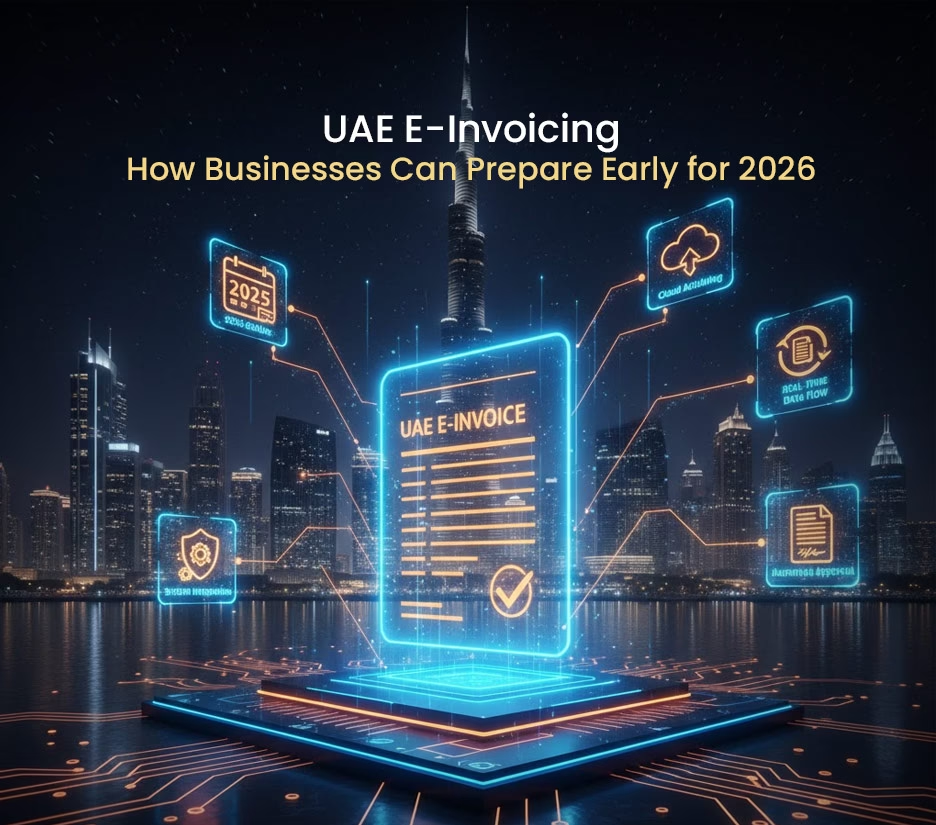
UAE Invoicing
The UAE is preparing to introduce mandatory e-invoicing, and while the official rollout begins in July 2026, the groundwork needs to start much earlier.
This change will impact how businesses issue invoices, report VAT, and maintain compliance. For many companies, it will require more than a simple system update.
What is an Approved Platform
Under the new framework, invoices must be issued through approved e-invoicing platforms. These are compliant systems that generate invoices in a structured digital format and securely transmit invoice data to the tax authority.
PDFs, Excel invoices, and manual processes will no longer meet the requirements.
Approved platforms are designed to:
- Create invoices in a government-accepted digital format
- Validate invoice data before submission
- Transmit data through the official e-invoicing network
- Store records in line with UAE tax regulations
Examples of Platforms Expected to be Approved
The UAE is adopting a PEPPOL-based model, commonly used in Europe and other advanced tax systems. Based on this structure, approved platforms are expected to include:
- Enterprise systems such as SAP, Oracle NetSuite, and Microsoft Dynamics 365
- Certified e-invoicing service providers like Sovos, Pagero, Basware, and Comarch
- SME accounting platforms such as Zoho Books and Tally, once locally certified
Final accreditation will be announced by the Ministry of Finance closer to the implementation date.
Why Preparing Early Matters
Waiting until e-invoicing becomes mandatory often leads to rushed decisions, higher costs, and operational disruption. Early preparation allows businesses to review systems, train teams, and align VAT processes without pressure.
More importantly, it keeps control in your hands.
At EZONE, we help businesses stay ahead of regulatory changes so compliance supports growth rather than slowing it down.